15th August, Celebrating India's Independence Day: A Journey of Freedom and Unity
Celebrating India's Independence Day: A Journey of Freedom and Unity
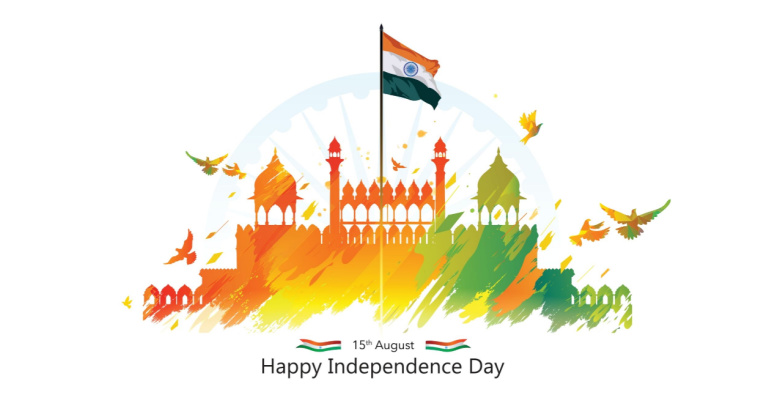
Every year on August 15th, India proudly celebrates its Independence Day. This momentous occasion marks the day in 1947 when India finally broke free from British rule, heralding a new era of freedom and self-determination. It's a day filled with patriotic fervor, reflection, and unity as the nation comes together to honor its past and look forward to a brighter future.

The Significance of August 15th
Independence Day is more than just a public holiday in India; it’s a reminder of the relentless struggle and sacrifices made by countless freedom fighters who envisioned a free and sovereign nation. Leaders like Mahatma Gandhi, Jawaharlal Nehru, Sardar Vallabhbhai Patel, and many others inspired a nation to stand up against colonial oppression and fight for their rights.
The Struggle for Independence
The struggle for Indian independence was a prolonged and multifaceted movement that spanned over a century, marked by various phases of resistance, both violent and non-violent. The Indian freedom struggle began to take shape in the mid-19th century with the Revolt of 1857, also known as the First War of Indian Independence. This uprising set the stage for future resistance against British authority.
Throughout the late 19th and early 20th centuries, several key movements played crucial roles in mobilizing the masses and fostering a sense of national unity:
The Indian National Congress (INC): Founded in 1885, the INC became the principal leader of the Indian independence movement. Under the leadership of figures like Dadabhai Naoroji, Bal Gangadhar Tilak, and later, Mahatma Gandhi, the INC organized mass protests and civil disobedience campaigns.
Non-Cooperation Movement: Led by Mahatma Gandhi in the 1920s, this movement encouraged Indians to withdraw their cooperation from the British administration, boycott British goods, and promote indigenous industries.
Civil Disobedience Movement: Initiated in 1930, this movement involved widespread nonviolent resistance, including the famous Salt March led by Gandhi, which challenged the British monopoly on salt production.
Quit India Movement: Launched in 1942, this movement demanded an end to British rule in India. It saw mass protests and uprisings, resulting in severe crackdowns by the British authorities.
The Role of Leaders and Freedom Fighters
The Indian independence movement was marked by the contributions of numerous leaders and freedom fighters who inspired and led the masses:
Mahatma Gandhi: Known as the Father of the Nation, Gandhi's philosophy of nonviolence and civil disobedience galvanized millions of Indians to join the struggle for freedom.
Jawaharlal Nehru: As a prominent leader of the INC and the first Prime Minister of independent India, Nehru played a vital role in shaping the vision of a modern, democratic nation.
Sardar Vallabhbhai Patel: Known as the Iron Man of India, Patel was instrumental in the integration of princely states into the newly independent nation.
Subhas Chandra Bose: A revolutionary leader, Bose's efforts to secure independence through armed struggle and his leadership of the Indian National Army remain pivotal in India's freedom narrative.
The Midnight of Freedom
On the midnight of August 14-15, 1947, as the clock struck the hour, India awoke to freedom. Jawaharlal Nehru, in his iconic "Tryst with Destiny" speech, articulated the aspirations and dreams of millions of Indians. He declared:
"At the stroke of the midnight hour, when the world sleeps, India will awake to life and freedom. A moment comes, which comes but rarely in history, when we step out from the old to the new, when an age ends, and when the soul of a nation, long suppressed, finds utterance."
This momentous occasion marked the end of nearly 200 years of British colonial rule and the beginning of a new chapter in India's history.
A Day of Reflection and Celebration
Independence Day is a day of immense national pride and reflection. It serves as a reminder of the sacrifices made by countless freedom fighters who laid down their lives for the nation's sovereignty. It also highlights the resilience and unity of the Indian people in their quest for freedom.
Celebrations on August 15th include the hoisting of the national flag, parades, cultural programs, and patriotic songs that evoke a sense of national pride. The Prime Minister's address from the ramparts of the Red Fort in Delhi is a significant event, where the nation reflects on its achievements and outlines its future goals.
The Legacy of Independence
The significance of August 15th extends beyond historical commemoration. It embodies the values of democracy, liberty, and justice that are enshrined in the Indian Constitution. It is a day to honor the diverse cultural heritage of India and to reaffirm the commitment to building a prosperous and inclusive nation.
As India continues to navigate the challenges of the modern world, Independence Day serves as a beacon of hope and inspiration. It reminds us that the spirit of freedom and unity can overcome even the most formidable obstacles. It encourages every Indian to contribute to the nation's progress and uphold the ideals of freedom, equality, and fraternity.
In conclusion, August 15th is not just a date on the calendar; it is a testament to the enduring spirit of a nation that fought valiantly for its right to self-determination. It is a day to celebrate the rich history, culture, and achievements of India and to look forward to a future filled with promise and possibility.
The Historical Context
The journey to independence was long and arduous. Starting with the Revolt of 1857, also known as the First War of Indian Independence, India witnessed numerous movements and uprisings. The non-cooperation movement, civil disobedience movement, and the Quit India movement were pivotal in mobilizing masses and gaining international attention towards India’s plight.
On the midnight of August 14-15, 1947, Jawaharlal Nehru, the first Prime Minister of India, delivered his iconic "Tryst with Destiny" speech, proclaiming India’s independence. This moment marked the end of nearly 200 years of British rule and the beginning of a new chapter in India’s history.

The Colonial Era and Early Resistance
The British East India Company began establishing its presence in India in the early 17th century, initially as a trading entity. However, following the Battle of Plassey in 1757, the Company gradually assumed administrative and military control over large parts of India. This period marked the beginning of nearly 200 years of British colonial rule, characterized by exploitation, economic drain, and socio-political oppression.
Early resistance to British rule emerged in various forms. The Revolt of 1857, also known as the First War of Indian Independence or the Sepoy Mutiny, was a significant uprising against the East India Company’s rule. Although it was ultimately suppressed, the revolt galvanized nationalist sentiments and laid the groundwork for future resistance movements.
Formation of the Indian National Congress
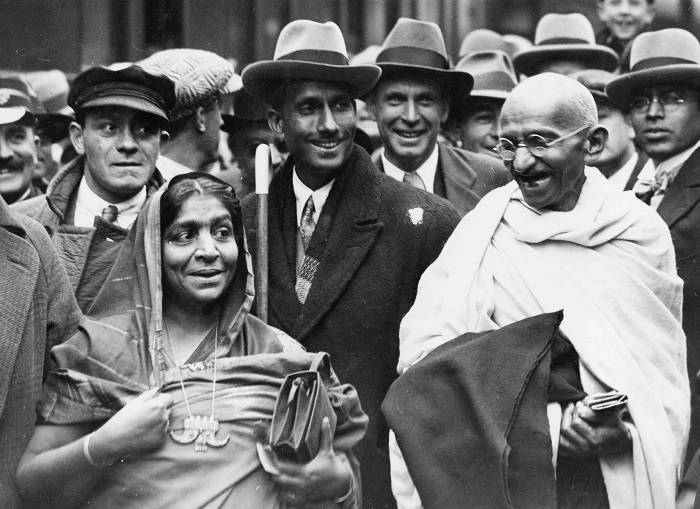
In 1885, the Indian National Congress (INC) was founded, marking a significant development in the organized struggle for independence. Initially, the INC sought greater political representation and administrative reforms within the framework of British rule. However, over time, its objectives evolved towards full independence.
Leaders such as Dadabhai Naoroji, Bal Gangadhar Tilak, and Gopal Krishna Gokhale were instrumental in shaping the early phase of the Congress. They highlighted issues such as economic exploitation and the need for political rights, gradually rallying the Indian populace towards the cause of self-rule.
The Impact of World War I and the Rise of Mass Movements
World War I had a profound impact on India's independence movement. The war effort demanded significant contributions from India, both in terms of resources and manpower, which fueled discontent and unrest. The post-war period saw the rise of Mahatma Gandhi as a central figure in the freedom struggle.
Gandhi's philosophy of nonviolence (ahimsa) and civil disobedience (satyagraha) resonated with millions of Indians. The Non-Cooperation Movement (1920-1922) was Gandhi’s first major campaign, urging Indians to withdraw their cooperation from British institutions and boycott British goods. This movement marked a significant shift from elitist politics to mass mobilization.
The Salt March and Civil Disobedience Movement
In 1930, Gandhi launched the Civil Disobedience Movement with the Salt March, a 240-mile trek to the Arabian Sea to produce salt in defiance of British laws. The Salt March became a powerful symbol of resistance, galvanizing people across the country to join the struggle for independence.
The Civil Disobedience Movement saw widespread participation, with Indians engaging in boycotts, strikes, and protests. Despite harsh crackdowns by the British authorities, the movement underscored the resolve of the Indian people to achieve freedom.
The Quit India Movement
World War II brought further strain to British resources and control over India. In 1942, the INC, under Gandhi’s leadership, launched the Quit India Movement, demanding an immediate end to British rule. The slogan "Do or Die" encapsulated the urgency and determination of the movement.
The British response was swift and severe, with the arrest of major leaders and widespread repression. However, the movement intensified the demand for independence and made it clear that British rule in India was no longer sustainable.
The Path to Independence
The end of World War II marked a turning point in India’s quest for independence. The British government, weakened by the war and facing increasing pressure from Indian leaders and the international community, began to realize that maintaining control over India was untenable.
In 1946, the Cabinet Mission was sent to India to negotiate the terms of independence. However, the growing tensions between the INC and the Muslim League, led by Muhammad Ali Jinnah, complicated the process. The demand for a separate Muslim state, Pakistan, led to intense communal strife and violence.
Ultimately, the British government decided to partition India into two independent dominions, India and Pakistan. On August 15, 1947, India officially gained independence, ending centuries of colonial rule.
The Aftermath and Legacy
The partition of India and Pakistan led to one of the largest mass migrations in history, with millions of people displaced amid communal violence. Despite the challenges and the traumatic legacy of partition, India embarked on a journey of nation-building.
The Constituent Assembly, formed in 1946, worked tirelessly to draft a new constitution for India. On January 26, 1950, India became a republic with the adoption of its constitution, enshrining the values of democracy, secularism, and social justice.
The historical context of India’s independence is a testament to the resilience and determination of its people. It highlights the complex interplay of socio-political forces, the sacrifices of countless freedom fighters, and the visionary leadership that guided India to freedom. August 15th stands as a reminder of this remarkable journey and the enduring spirit of a nation committed to its ideals of liberty and justice.
Celebrations Across the Nation
Independence Day is celebrated with great enthusiasm and patriotic zeal across the country. Here are some common ways the day is commemorated:
1. Flag Hoisting Ceremonies
- The Prime Minister of India hoists the national flag at the Red Fort in Delhi, followed by a speech addressing the nation. Similar ceremonies take place in state capitals, schools, and public institutions.
2. Parades and Cultural Programs
- Parades featuring the Indian armed forces, police, and paramilitary forces are held, showcasing India’s military prowess and cultural diversity. Cultural programs, including dance, music, and drama performances, reflect India’s rich heritage.
3. Decorations and Light Displays
- Government buildings, historical monuments, and public spaces are adorned with lights and decorations in the tricolor of the national flag—saffron, white, and green.
4. Community Events and Competitions
- Various community events, including sports competitions, patriotic singing, and essay writing contests, engage citizens in celebrating the spirit of independence.
Reflections on Progress and Challenges
Independence Day is also a time to reflect on the nation’s progress and the challenges that lie ahead. India has made significant strides in various fields such as technology, space exploration, education, and healthcare. However, issues like poverty, inequality, and environmental sustainability continue to require attention and collective effort.
Looking Ahead
As India celebrates its 77th Independence Day in 2024, it’s essential to remember the values of freedom, unity, and justice that form the foundation of the nation. Let us honor the sacrifices of our freedom fighters by working towards a more inclusive, prosperous, and sustainable India.
Conclusion
Independence Day is a powerful reminder of India’s rich history and the enduring spirit of its people. As we unfurl the tricolor flag and sing the national anthem, let us renew our commitment to the ideals of democracy, liberty, and equality that our forebearers fought for. Happy Independence Day to all!


Comments
Post a Comment